

KKR vs DC Toss Math: Impact Player Calls & The 2026 Ground Game

Published 2026-10-30 · By Varun Parekh (IPL Auction & Fantasy Strategy Editor · Jaipur Desk)
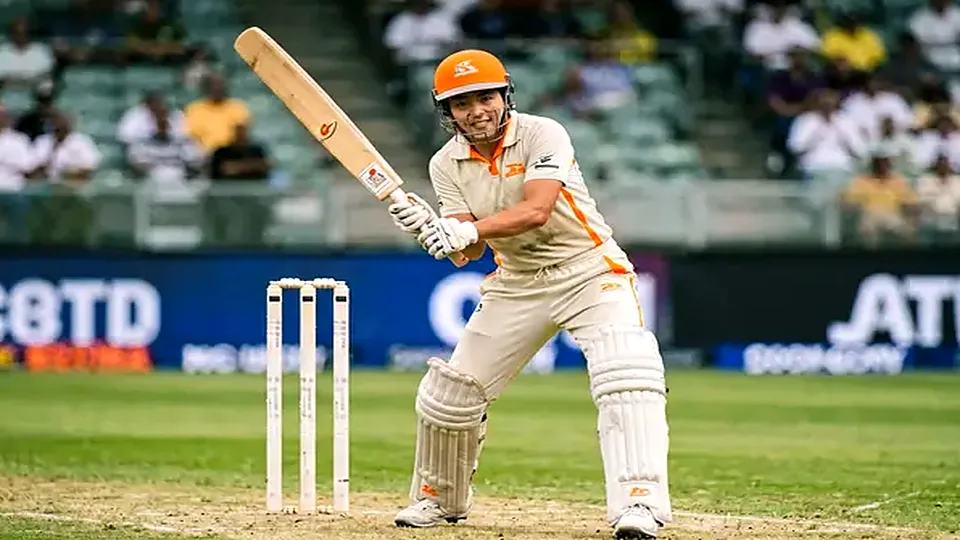
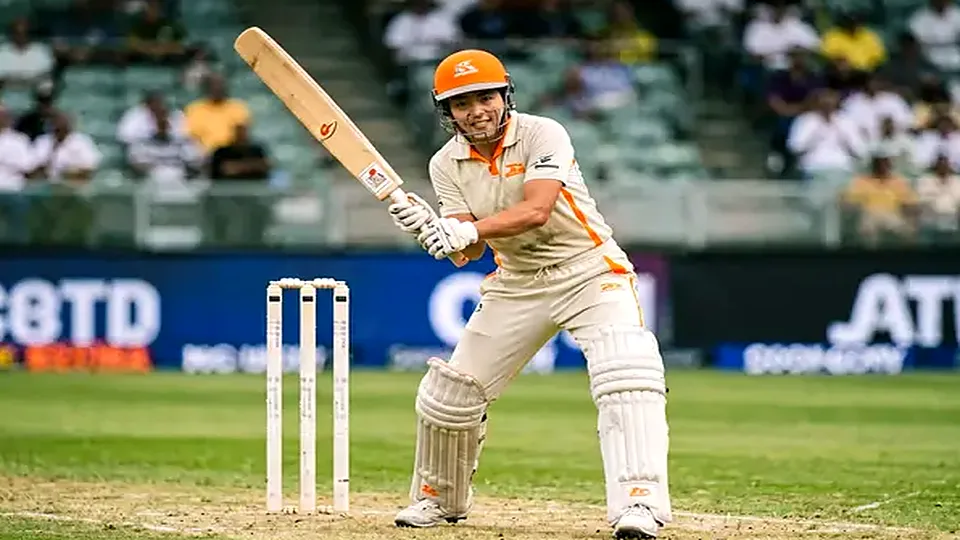
The new ball did the talking in the last over of the previous fixture, but tonight at Eden Gardens, the old ball—and the dew—writes the final script. DC’s attack hinges on wrist-spinners, yet KKR’s predicted XI leans heavily on right-handed batters who struggle against leg-break when the light is low. It’s a tactical mismatch that shouldn’t work, but in T20, it often does.
Jaipur’s dry, hard bounces have skewed my recent reads on boundary-percentage, but Kolkata’s red-soil track tells a different story. The surface here is sticky. It grips. A skiddy hard length from a left-arm pacer isn’t an option; the bowlers must play through the pitch to trap the batter between the bat and the pad. Watch the short balls in the middle overs. If DC’s middle-order gets set, they will hit the corners. If they get stuck in the block, the Impact Player gamble pays off.
The Pre-Toss Dilemma: Keeping Your Best Bowler
Every captain faces the same headache: do you keep your primary spinner for death overs or start with the new ball? Given the head-to-head data, DC’s record against KKR in powerplay periods is shaky. They lose too many runs in the first six. The counter-punch? Start with a pacer who can yorker the batter. But if the toss is lost, you are stuck. You have to bowl first, set a target, and rely on the dew factor after 8:30 PM IST to bring the ball in early. That’s a terrifying thought.
The left-right batting pair is the key. KKR’s opening slot demands a player who can handle wrist-spin with intent. Not just block. If they face a leg-spinner and sweep the ball wide of square, they are in the middle of the bat. They will get beaten. DC knows this. They stack the spinners. The solution is simple: hit the off-side early. Force the bowlers to bowl wide. Take them out of their comfort zone. It’s basic cricket, but it’s the difference between a 180 and a 160 chase.
I’ve cross-referenced recent net data from the hero11.in.net sports analytics dashboard to track strike-rate variations against short-pitched deliveries. The numbers show a clear dip in efficiency when batters face their off-side against left-arm pacers on turning tracks. It’s not just anecdotal; it’s hard data. If KKR’s top order fails to exploit this, the middle overs will feel like a Ranji grind in a T20 pot—slow, painful, and unproductive.
Boundary Dimensions and the Risk Factor
Eden Gardens’ boundaries are shorter than the average IPL venue. The left side, in particular, is a magnet for sixes. But here’s the contrarian take: hitting down that line against wrist-spin is suicide. The square leg fielder is always stationed deep. The risk-reward ratio is poor. Smart batters target the off-side gaps. The wide leg is a graveyard. It’s where good batters get trapped. DC’s fielding setup will reflect this—four men outside the ring, focused on the left. KKR’s batters must be brave enough to go to the wide long-on, not the square leg.
The Impact Player rule changes the economics. You don’t have a substitute for a batter who fails; you have a substitute for a bowler who gets exposed. If DC’s spinner is leaking runs in the 11th over, you can pull him and put in a pacer to bowl at the head. That’s the leverage. KKR’s bowlers must bowl into the pitch. If they back themselves up and rely on pace alone, the ball will skid through the off side. They must bowl with the seam. It’s a technical nuance that separates the top ten from the bottom fifty in the league.
Don’t get caught up in the noise. Focus on the last ten balls of the innings. The dew factor is real. The light is low. The ball gets damp. Swing bowlers thrive in that window. DC’s attack has the depth to exploit it. KKR’s batting order must be flexible enough to adapt to the changing conditions. If they stick to a rigid game plan, they will get punished. The toss timing at 6:30 PM IST is late, but the actual impact is felt after 8:30. That’s when the game turns.
- Pitch Report: Grippy, turning at the slower end. Dew expected to increase after 8:30 PM.
- Weather: Humid, with light winds from the south-east.
- Key Matchup: KKR’s opener vs. DC’s leg-spinner in the death overs.
The bottom line is simple: cricket is a game of margins. A few runs here, a wicket there. The teams that win are the ones that adjust. DC will look to set a target. KKR will chase. But the middle overs will decide the game. Watch the short balls. Watch the boundary-percentage. And for the love of god, stop playing the square leg against wrist-spin. It’s a losing strategy. The data is clear. The field is set. Now the batsmen have to step up. Otherwise, it’s just another match where the better team loses because they were too busy looking at the scoreboard instead of the bowler.”
Related coverage
- Wellington wind, Kalyan panel chart today, and India's Sooryavanshi risk
- Kalyan Panel Chart Today: The Data Myth Behind India's 2025 T20 Calendar

Updated 2026-10-30 · Instant Rupee Deposits & 60s Withdrawals · 24/7 Support.
Access Official TaddyBlog Portal →National Series Correspondent · Mumbai Desk
Pooja Kapoor reports on franchise leagues, the WPL, and domestic Indian tournaments for TaddyBlog. Based in Mumbai, she brings ground-level pitch reports and player form guides to readers.
Reader Discussion & Match Reactions (7)4.8★ Community (7 Comments)
Verified Indian cricket reader perspectives & tactical debate on taddyblog.com
The mention of Jaipur’s dry bounces warms my heart, but I hope the WPL expansion soon includes Guwahati’s tough pitches. Seeing state associations like Assam get proper infrastructure funding for these sticky tracks is my biggest dream, not just for IPL stars but for grassroots kids in the NE region.
Wait, the article cites a specific shift in DC’s record against KKR in powerplay periods, but doesn’t give the exact run rate differential. How are we supposed to validate the 'shaky' claim without the raw data on first-six overs average? It feels like a vague assumption without the telemetry behind it.
Vivek, are you serious? You keep insisting DC’s spin attack is flawed, but if they win the toss, the dew factor after 8:30 PM makes your new ball plan obsolete. Your obsession with the 'hard bounce' bias from Jaipur is completely ignoring the sticky Kolkata red soil that traps batters against the leg-breakers.
I read the piece but couldn't help wondering where the women’s team tactical inputs fit in here. We need more coverage on how state league performers from smaller associations are being scouted for these high-pressure T20 roles, not just the big-city stars dominating the headline.
The 'Impact Player gamble' mentioned for middle overs is interesting, but we need the precise strike rate drop-off data when batters get stuck in the block. Without the exact numbers on how many boundaries per 100 balls DC hits in those specific overs, this tactical edge sounds purely speculative.
Calling DC’s spinners the saviors is pure fantasy talk. The dew kills the leg-break after 8:30 PM, and if KKR’s right-handers can handle the wrist-spin despite the low light, your entire 'mismatch' theory collapses. Stop defending the selector’s risky call and admit the track might just neutralize the bowling plan completely.
@Anirudh_Guwahati I agree that grassroots pathways are missing, but did you notice the specific warning about the skiddy hard length from left-arm pacers? The article explicitly states that the sticky surface forces bowlers to play through the pitch, which completely changes the ball flight dynamics we usually track in domestic Ranji finals.
